Quick answer: For most everyday prints, start with 0.4 mm. Choose 0.6 mm when you care more about throughput, tougher functional parts, or a wider filament path than you do about the smallest surface details.
Why Nozzle Diameter Matters
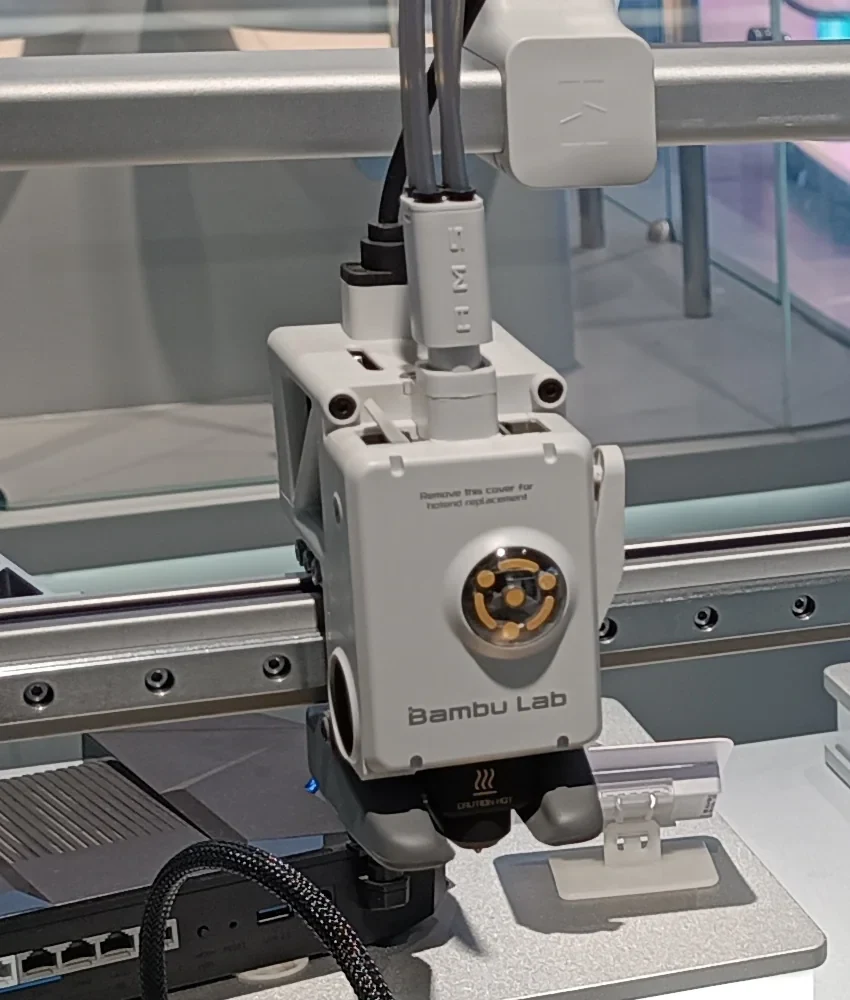
The nozzle opening limits how narrow or wide an extrusion line can reasonably be. A smaller opening can reproduce finer features, while a larger opening can put down more plastic per pass. The nozzle does not magically make every model faster or stronger, but it changes the range of layer heights and line widths the slicer can use.When 0.4 mm Is the Better Choice
- General PLA and PETG printing
- Models with lettering, small holes or fine cosmetic detail
- Projects that already have a proven 0.4 mm profile
- Parts where dimensional detail matters more than maximum throughput
- New users who want the broadest preset and troubleshooting support
When 0.6 mm Makes Sense
A 0.6 mm nozzle is useful when a model is mostly walls, brackets, enclosures, jigs, fixtures or other functional geometry. Wider extrusion lines can reduce the number of passes required to build a wall. It can also give filled filaments a wider path, although the correct nozzle material and size still depend on the filament manufacturer’s guidance.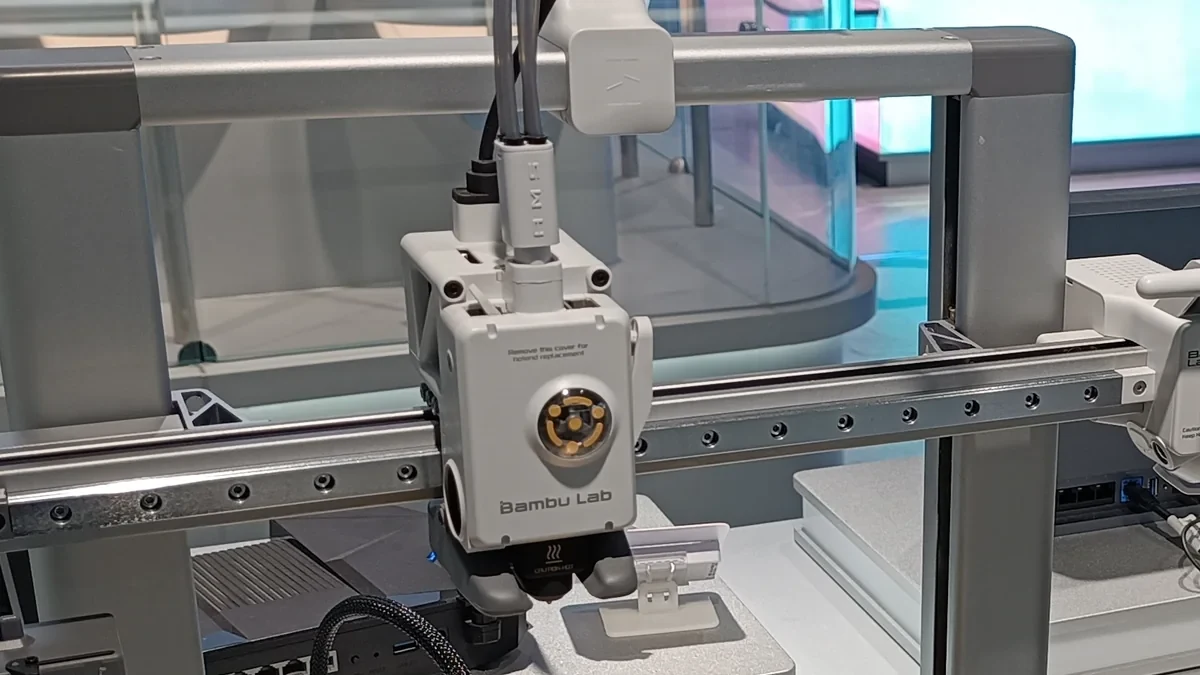
Does 0.6 mm Always Print Faster?
No. The hotend still has a maximum practical volumetric flow rate, and the printer still has acceleration, cooling and material limits. A 0.6 mm nozzle gives the slicer more room to use wider lines and thicker layers, which can shorten many jobs, but a poorly chosen profile can simply hit a flow limit instead.What About Carbon-Fibre or Other Filled Filaments?
Filled materials are abrasive. Bambu Lab’s compatibility tables distinguish between nozzle diameters and nozzle materials, so do not assume that diameter alone is enough. Use a hardened nozzle when the material requires it, and verify the filament’s nozzle recommendation before printing.Our Practical Rule
If the part is decorative, detailed or small, use 0.4 mm. If it is a functional part where you want thicker roads of plastic and faster output, test 0.6 mm. Keep separate printer and process presets so you can switch cleanly instead of constantly editing one profile.Frequently Asked Questions
Can I use the same sliced file after changing nozzle size?
No. Re-slice the model using the correct printer/nozzle profile so line widths, layer heights and flow assumptions match the installed nozzle.Is a 0.6 mm nozzle good for PLA-CF?
It can be a useful choice for filled filaments, but nozzle material and the specific filament’s compatibility guidance matter. Check the material table rather than assuming every PLA-CF is identical.Will 0.6 mm make every part stronger?
Not automatically. Strength also depends on orientation, wall count, layer bonding, temperature, material and model geometry.Need a part printed in Canada?
3D Print BC provides FDM 3D printing, prototypes, replacement parts and small-batch production. Visit 3DPrintBC.com to learn more.
Technical Reference
Bambu Lab Wiki: Introduction to Bambu Nozzles and Filament Guide / Material Compatibility Table. Independently written; not affiliated with Bambu Lab.
Need a part printed?
Turn the guide into a real part.
Upload your STL/3MF or tell 3D Print BC what you need. We’ll review the project and help you choose the right material and print approach.